
One buyer is delighted by the shade, yet following several hours of wear the cap becomes a source of discomfort. A second wearer likes the natural-looking hairline, yet would rather avoid twenty minutes of lace adjustments each morning. For a third buyer, the look is not the issue. It is the unanticipated weight created by the wig’s density.
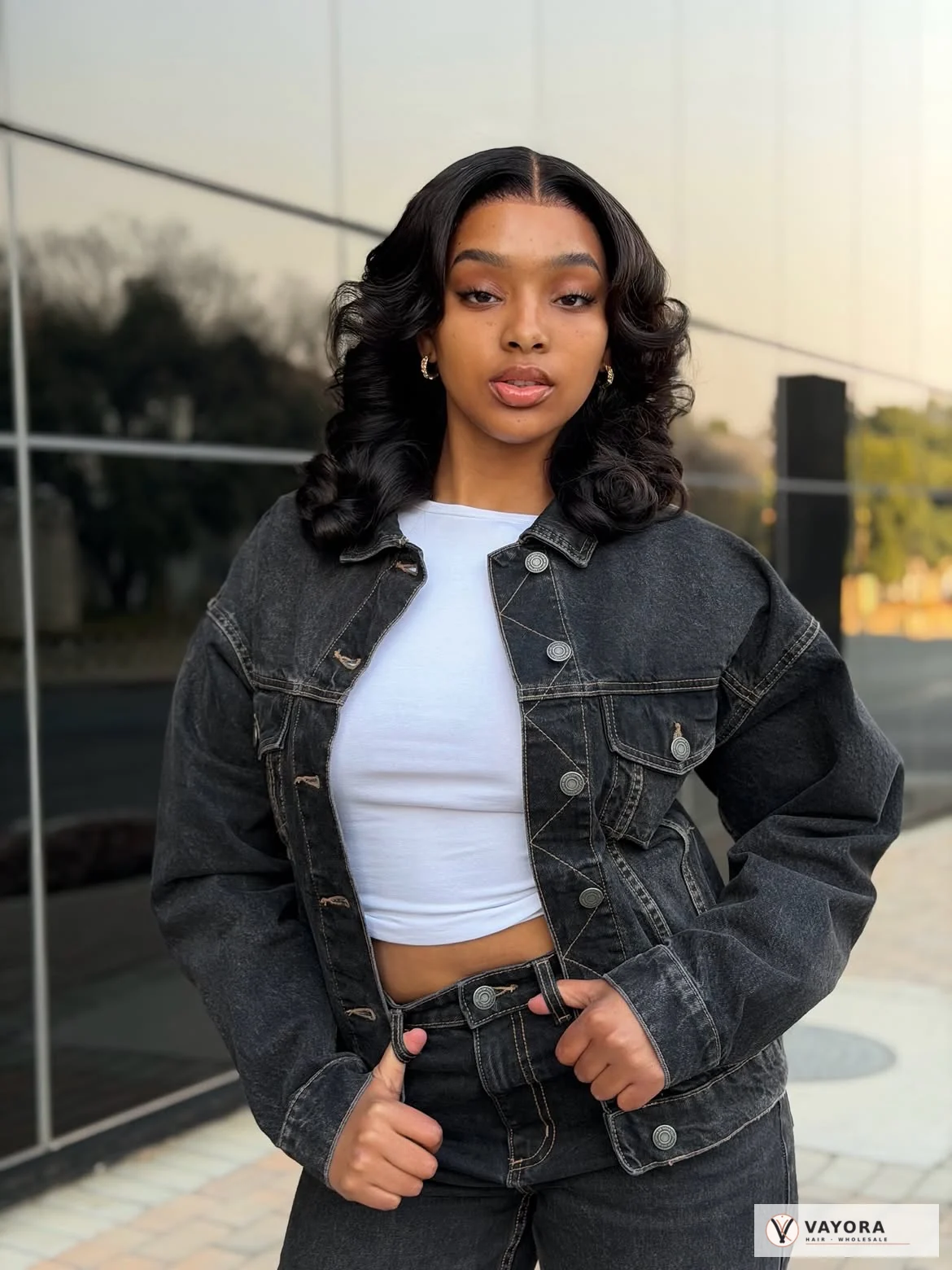
Image credit: vayorahair.com
There is more practical insight in these comments than a wig business might initially see. Such observations can guide the development process toward products that deliver a wearing experience people appreciate.
A strong wig lineup does not have to center on the latest viral hair trend. They’re built around understanding what customers want to experience when they put a wig on.
Identify the Issues Customers Encounter
Buyers rarely use technical manufacturing language to explain what they need. Comfort during wear, ease of use, how it looks and how confident the wearer feels are what customers discuss. The desire to simplify morning preparation may indicate a need for a glueless design. If customers say the hairline looks unnatural, the team may need to review lace appearance and knot treatment, along with density or parting design.
The human hair wig manufacturer China brands select should turn such customer observations into measurable specifications.
Rather than specifying a 22-inch body-wave wig alone, a buyer can outline the experience intended for wearers, how the cap should fit, lace construction, the look of the hairline, and finished weight. With that information, developers can focus on a clearer target.
Establish a Consistent Private Label Collection
Rather than defining their own range, many emerging brands follow the current popular offerings. Competing stores may end up offering remarkably similar collections.
Working with a private label wig manufacturer China retailers can collaborate with allows brands to develop a more consistent product identity. Possible directions include a lightweight everyday range, a premium collection with natural-looking hairlines, or ready-to-wear wigs for buyers who want minimal preparation. The shared customer commitment should guide texture, length, color, density, cap construction, and packaging. Rather than relying solely on temporary price incentives, a recognizable collection offers shoppers another motivation to shop again.
Glueless Wigs Require More Than a Label
Although the word “glueless” suggests simplicity, the experience of wearing the wig depends on a range of construction details. Everything from cap sizing and adjustment features to attachment components, lace preparation, and hairline design influences how securely and comfortably the unit fits.
A buyer working with a glueless wig manufacturer China brands select should expect help in defining these requirements prior to production. Manageable density, pre-cut lace, and simple adjustment features may be particularly important when the intended customers are first-time wig wearers. A professional stylist’s collection might require different customization options. There is no universal preference for either approach. The two approaches address the needs of distinct audiences.
Sample Review and Brand Reputation
Even a detailed photograph provides only part of the information about a wig. Evaluating the unit means looking at cap fit, hair movement, color accuracy relative to expectations, and whether the final construction follows the approved design. Sampling provides an opportunity to identify differences before placing a larger order.
For a wholesale human hair wigs supplier, documented specifications and quality-control procedures are especially important when the same style must be produced repeatedly. Even a good first production run may be hard to replicate consistently if adequate references are unavailable.
Build a Collection That Can Grow
VAYORA works with B2B wig retailers, distributors, and brands to support product development, private label services, sampling, specification control, and workflows for repeated production. The focus is on aligning what wearers expect with the physical details responsible for how the wig looks, fits, and feels.
Before adding more products, a brand should review customer feedback, determine where its strongest product opportunities lie, and establish clear approval standards. A stronger next lineup might not depend on increasing the number of styles. Instead, success may come from addressing compromises in the styles customers are already interested in.