
Surface finishing has evolved into a precision driven engineering process. The quality of the coating has a direct influence on the durability, resistance to corrosion and product perception in the current manufacturing environment. Many factories employ paint robots to enhance control and ensure consistency as global standards get more strict and customers require flawless finishing.
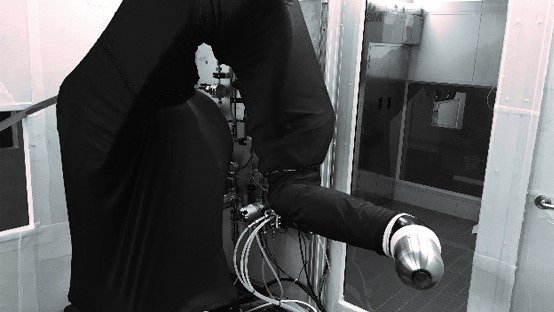
Image credit: automatedsolutions.com.au
A modern paint robot brings structured motion and programmable accuracy to applications that once depended on operator technique. Automating the paths and angles of spray, as well as speed, eliminates a lot of irregularities that can lead to uneven film construction or excessive material use. This results in a coating process that is consistent and supports First Time Quality.
Consistency Performance, Efficiency, and Measurable gains
Manual painting typically introduces variations in coverage and thickness because of human fatigue or minor technique differences. Paint robots reduce that variability through repeating the same motion patterns throughout every production cycle. This level is repeatability creates a uniform finish for all parts and optimized distribution of the materials.
A paint system that is robotic can also improve transfer efficiency. Overspray is reduced by maintaining a precise distance between the applicator and the part. This allows more paint to penetrate the target surface. Reduced material waste leads to cost savings, while less emissions of volatile organic compounds help to ensure the environmental compliance.
Integrating fluid handling into paint robotics allows for precise mixing ratios in multi-component coatings. It eliminates any irregularities that could affect the quality of the finished. Combining stable flow control with variables that can be programmed, manufacturers are able to fine-tune spray patterns and atomisation settings in real time.
Productivity and safer workplaces
The improved uptime is a important benefit of an automated paint system. Robotic paint cells are more efficient than manual operations because they are able to operate with no interruption. Once programmed, they maintain an uninterrupted flow of work without the need to take breaks or be under constant surveillance.
It is vital to think about the safety of any establishment which uses bi-component or solvent-based coatings. Paint that is atomised can cause unsafe atmospheres, particularly when it comes to flammable and explosive materials. The latest paint robots have been designed for safety in high-risk situations, which can help reduce exposure to hazardous substances as well as improving workplace safety standards.
Conveyor track technology enhances productivity even more by allowing robot painting as the components continue to move. This technology gives you a bigger working area, and also helps keep production lines in motion.
Australian Automation Expertise Supporting Industry
It is essential that producers have access to automation partners that have experience. Automated Solutions, a leading robotic integration company in Australia, has earned a reputation for offering advanced robotic solutions. The team is well-versed in automation engineering and is certified as FANUC robot integration specialists. They help businesses implement robotic paint solutions tailored to the needs of their clients.
Automated Solutions combines technical expertise and practical industry experience to aid manufacturers in evaluating the current process and developing robotic paint cells that can be optimized. Through combining collaborative planning simulations and system integration, businesses can better understand the expected performance improvements prior to implementing.
Paint robotics goes beyond simply automation. It’s about improving safety, quality, and efficiency. Paint robotics that are well-engineered transform the surface finishing process into a cost-effective, time-consuming and insecure operation to a repeatable, controlled process that is controlled, repeatable and reliable. Assistance from automation experts can assist companies in increasing their efficiency and competitiveness, as well as ensure the long-term development of a competitive market.