
Many taxpayers believe that when they file their tax returns and paid what they could to pay, their IRS account is likely to be in good condition. This belief can lead to unexpected expenses. The IRS keeps a detailed record of every taxpayer, including payments, penalties, balances as well as notices and filing history. These records may contain mistakes, missing data, or issues that are not solved.
IRS transcript review is now one of the best tools available to taxpayers looking to gain clarity on their tax affairs. Before you can resolve any tax issues you need to understand what the IRS considers.
Why IRS transcripts are more important than tax returns
Many people think that tax returns tell all the details of their tax time. Tax returns, in reality, only reflect what was filed. IRS transcripts offer a comprehensive report of what happened following the tax return was filed.
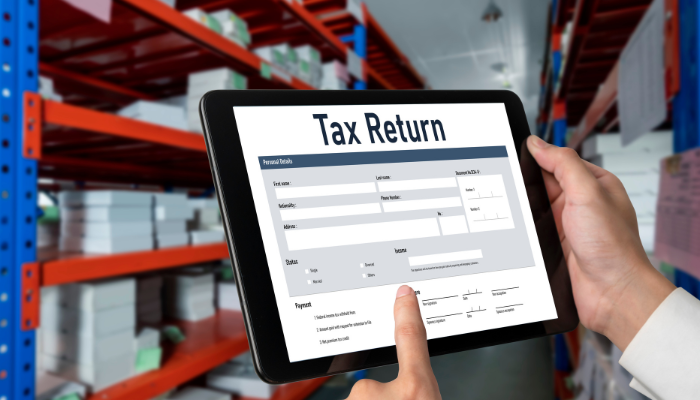
Transcripts can expose unpaid balances that have been accruing interest for years. It could reveal that penalties were imposed on the taxpayer in violation of their knowledge. It may even be able to reveal that the IRS did not receive or processed the return the taxpayer believed to be successful.
Without examining these records taxpayers make financial decisions based on incomplete information. Transcript analyses are a great way to discover problems that might not be evident.
The growing problem of unfiled tax returns
One of the most common results of an IRS account review involves missing tax returns. Every year, thousands of people and business owners fall behind in filing deadlines due to financial hardship and illness, as well as business-related challenges or just a lack of understanding about their tax obligations. When taxpayers need unfiled tax return assistance, timing is critical. If tax returns remain not filed, the higher the chances of penalties, substitutes and collection activities.
In some instances there are instances where the IRS will prepare a Substitute for Tax Return (SFR) with the help of data reported by employers and banks. These substitute returns rarely include credits, deductions, or expenses that can help reduce tax obligations. Taxpayers usually owe much more in tax than they actually owe. A CPA is able to review their accounts to determine if there are any tax-filings and create a strategy to bring them back in compliance.
Understanding IRS Notices Prior to Responding
An IRS letter can cause instant anxiety. But, many taxpayers make the mistake of not realizing the full meaning of the letter.
If you want to be able to respond professionally to IRS notices, it’s important firstly that you determine what the basis for the notice. Certain notices are related to unpaid balances. Other notices are related to missing tax returns, verification requests or issues with taxation of payroll. A CPA can review the IRS records to determine if the notice is true and which response is suitable. In the absence of complete information, a response can often make a complex situation more difficult.
Taxpayers owing money Problems for Taxpayers who Owe Money
When you discover the IRS balance can be a daunting experience especially if penalties and interest accrued for a long time. Taxpayers have more options available than they realize. Taxpayers can seek out professional IRS payment plan assistance to assist them in understanding the options available for payment and figure out which option is best for their financial situation. It’s not just about satisfying the IRS but also developing a realistic plan that will keep financial pressure from growing. A lot of taxpayers are slow to seek assistance. This allows the balances and collection actions by the IRS to get more severe. Early intervention is often more flexible, which leads to better outcomes.
Business owners can enjoy special relief
Business tax issues can be considerably more complex than tax-related issues for individuals. The complexity of tax matters, such as tax obligations for payroll, reporting deadlines, and multiple tax types could cause problems.
Professional business tax relief solutions assist business owners with identifying compliance issues, resolve outstanding liabilities, and develop strategies to reduce the risk of future tax liabilities. A thorough review of the account can reveal concerns that business owners might not have even realized existed. Because taxes for business affect the flow of cash, its growth and operational stability, addressing problems early is essential for long-term success.
Payroll Tax Issues Require urgent attention
Among all tax issues that affect payroll tax, these are often considered some of the most significant. The IRS has a different approach to pay taxes on payrolls because firms pay them on behalf of employees as well as the government.
When businesses fall behind, payroll tax relief services can help evaluate available resolution options and communicate with the IRS on the company’s behalf. In the event of delay, it could lead to an increase in penalties and collection efforts and personal liability risk. A professional audit provides precise information about what is due, how it was formulated, and what actions to take next.
Understanding is the first step to resolution
When you’re confronted with IRS tax debt, late returns or a confusing set of notices it’s difficult to feel isolated. But, trying to deduce tax codes can lead to unnecessary stress and costly errors. Examining your IRS transcripts will help you replace your anxiety with solid data. You’ll know exactly what the IRS views your account, permitting you to make a plan rather than reacting in an impulsive way.
If your current challenge is setting up a manageable IRS payment plan, securing business tax relief, settling payroll tax relief disputes, or seeking tax returns that are not filed, this deep-dive look at your official record serves as the base for any successful resolution strategy. This report will help you identify your liabilities, find gaps in your tax credits, prepare an accurate IRS notice to move forward with confidence and security.